
Why Koh Phangan Is Thailand's Most Overlooked Luxury Real Estate Market
Ask most international buyers to name a Thai island for a luxury villa and you'll hear Phuket first, Koh Samui second. Koh Phangan rarely makes the list — not because it lacks what the other two offer, but because it spent longer building it quietly, without the marketing budget or the decade-long head start.
That's changing. The island's full-moon party reputation, which dominated how outsiders saw it for years, has always coexisted with a much quieter reality: pristine beaches on the north and west coasts, jungle-covered interior hills, and a slower pace of development that left large stretches of coastline undisturbed while Phuket and Samui built out.
What's actually changed
Ferry connections from Koh Samui's airport have become faster and more frequent. Wellness tourism — yoga retreats, health-focused resorts, diving schools — has grown into a genuine year-round draw rather than a party-season sideline. Digital nomads and remote workers, who care more about fiber internet and a quiet workspace than nightlife, have become a steady presence rather than a novelty.
None of this happened overnight, and none of it was engineered by a single developer's marketing push. It's the kind of organic demand growth that tends to precede a real estate market re-rating rather than follow a speculative one — infrastructure and lifestyle demand first, prices catching up after.
The price gap that won't last indefinitely
A comparable private-pool villa in Phuket or Koh Samui, in a location with similar sea and jungle access, typically carries a meaningfully higher price per square meter than the same specification on Koh Phangan today. That gap exists because the island's luxury villa supply is still genuinely limited — not because the underlying appeal is lower.
Whether that gap closes, and how quickly, isn't something any developer can honestly promise a buyer. What's observable is the direction: more direct flight capacity into the region, more wellness and remote-work infrastructure each year, and a shrinking supply of undeveloped coastline as more of it gets built out.
What this means for Green Valley
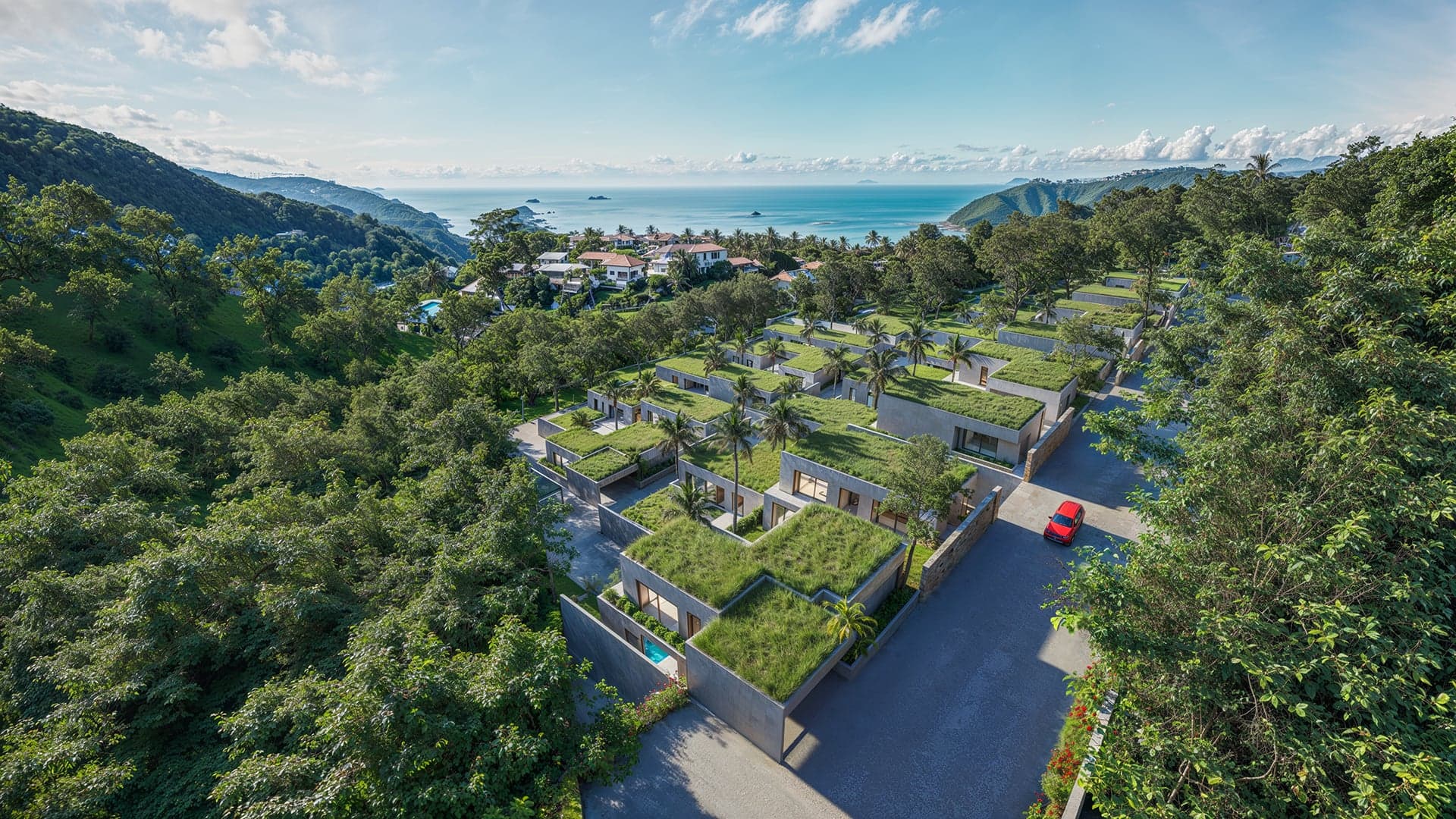
Green Valley sits inside a valley on the island's northwest coast, eight minutes' walk from Mae Haad Beach, with the kind of jungle-and-sea setting that's become harder to find with a completed access road and utilities already in place elsewhere on the island. Twelve villas, not twelve hundred — a scale that reflects the site itself rather than a developer's ambition to maximize unit count.
If you're weighing Koh Phangan against its better-known neighbors, the honest framing is this: you're not choosing a lesser island, you're choosing an earlier point in the same growth curve Phuket and Samui already went through.